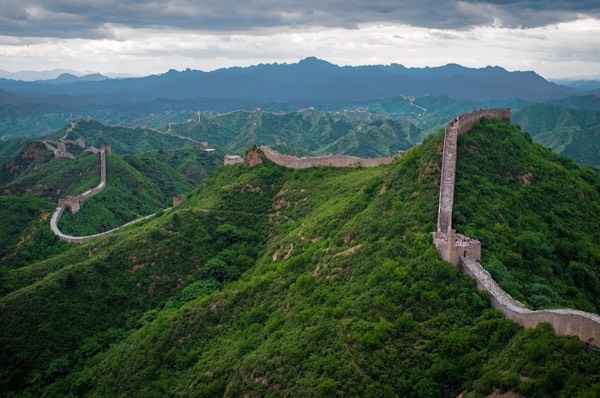
The Great Wall is an immense defense system built and extended by successive Chinese dynasties along the northern frontier of China. Its walls, passes, watchtowers, and beacon towers cross varied terrain, preserving a long record of military engineering and border history.
New 7 Wonders of the World Overview
Selected through a worldwide public vote and announced in 2007, the New 7 Wonders highlight seven iconic monuments across four continents. Explore their stories and practical guides to visiting each landmark. Read more on Wikipedia ↗
| Wonder | Country | Gateway city | Dates | Built by |
|---|---|---|---|---|
| Great Wall | China | Beijing | c. 300 BC – c. 1700 AD | Chinese dynasties |
| Taj Mahal | India | Delhi | 1653 AD | Mughals |
| Petra | Jordan | Amman | c. 400 BC | Nabataeans |
| Colosseum | Italy | Rome | 80 AD | Romans |
| Christ the Redeemer | Brazil | Rio de Janeiro | 1931 AD | Brazilian–French team |
| Machu Picchu | Peru | Cusco | c. 1450 AD | Incas |
| Chichén Itzá | Mexico | Cancún | c. 450 AD | Maya |
Meet the wonders
I’ve visited all seven wonders—a journey that took 35 years to complete. Petra is my favourite, and each offers something special. They make memorable side quests to weave into your travels, and I hope these guides help you plan your own.
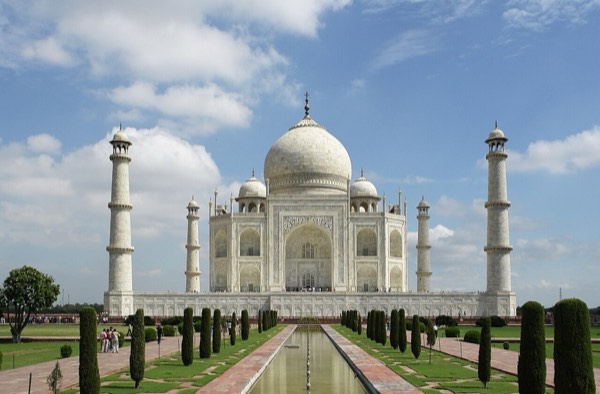
Commissioned by Mughal emperor Shah Jahan as a mausoleum for Mumtaz Mahal, the Taj Mahal pairs a white marble tomb with gardens, a mosque, and a guest house. Its symmetrical plan, central dome, four minarets, and intricate inlay make it a landmark of Indo-Islamic architecture.
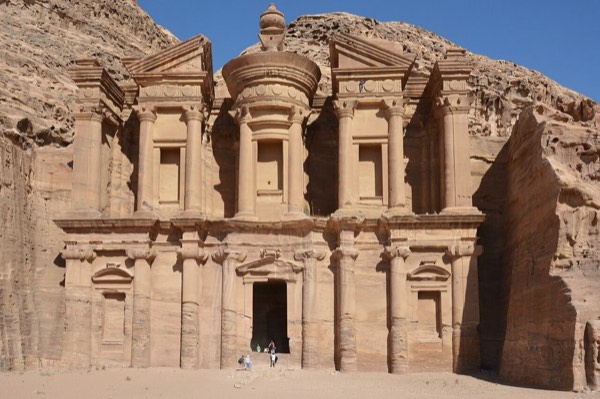
Petra was the Nabataean capital and a major caravan center at the crossroads of Arabia, Egypt, and the Mediterranean. Its tombs and temples are carved into red sandstone cliffs, while channels and cisterns show how residents managed water in an arid landscape.
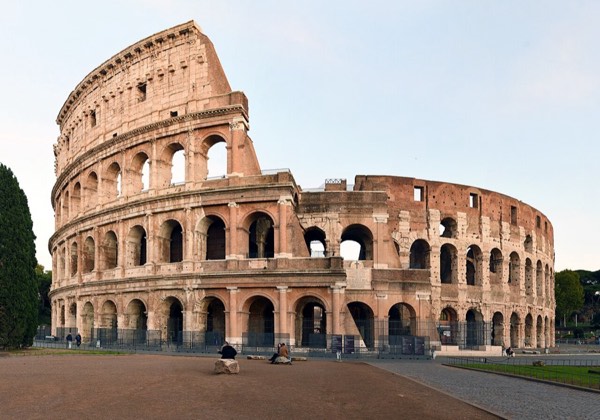
Known in antiquity as the Flavian Amphitheatre, the Colosseum was built under the Flavian emperors in the first century AD. It hosted public spectacles, including gladiatorial contests and animal hunts, and today forms part of the central archaeological area of Rome with the Forum and Palatine.
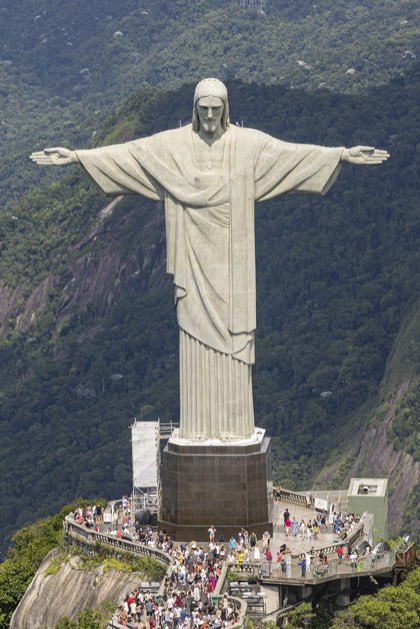
Set atop Corcovado in Tijuca National Park, Christ the Redeemer looks out across Rio de Janeiro and its coastline. The Art Deco statue was inaugurated in 1931 and can be reached by train, van, or car.
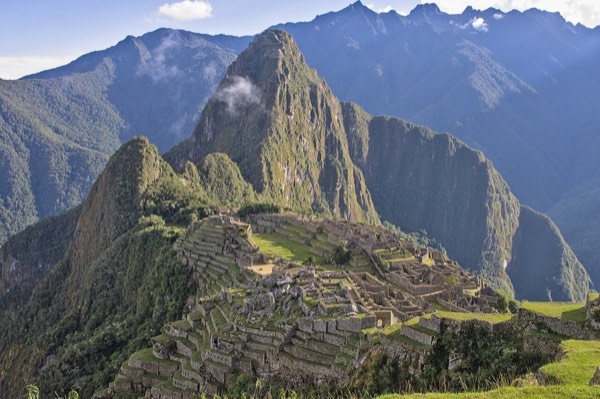
Built in the 15th century high in the Andes, Machu Picchu is an Inca citadel set among mountain forest. Its stone buildings, agricultural terraces, and steep paths follow the ridge, linking architecture and landscape in one of the most distinctive legacies of Inca civilization.
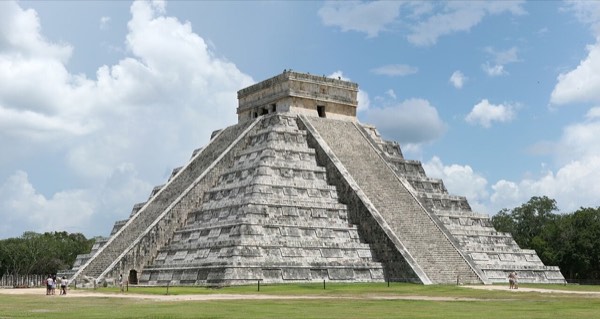
Chichén Itzá became a major Maya center in the Yucatán peninsula, with architecture that reflects Maya and central Mexican influences. Its surviving landmarks include El Castillo, the Great Ball Court, the Temple of the Warriors, and El Caracol, a circular observatory.
Photo credits
Photos from Wikimedia Commons, resized and cropped for display. Each image retains its stated Creative Commons licence.
- Great Wall — Severin.stalder · CC BY-SA 3.0.
- Petra — Azurfrog · CC BY-SA 3.0.
- Chichén Itzá — Daniel Schwen · CC BY-SA 4.0.
- Christ the Redeemer — Arne Müseler / www.arne-mueseler.com · CC BY-SA 3.0 de.
- Colosseum — FeaturedPics · CC BY-SA 4.0.
- Machu Picchu — Draceane · CC BY-SA 4.0.
- Taj Mahal — Yann Forget; edited by Jim Carter · CC BY-SA 4.0.